What Inspections You Should Get When Buying a Rural Property
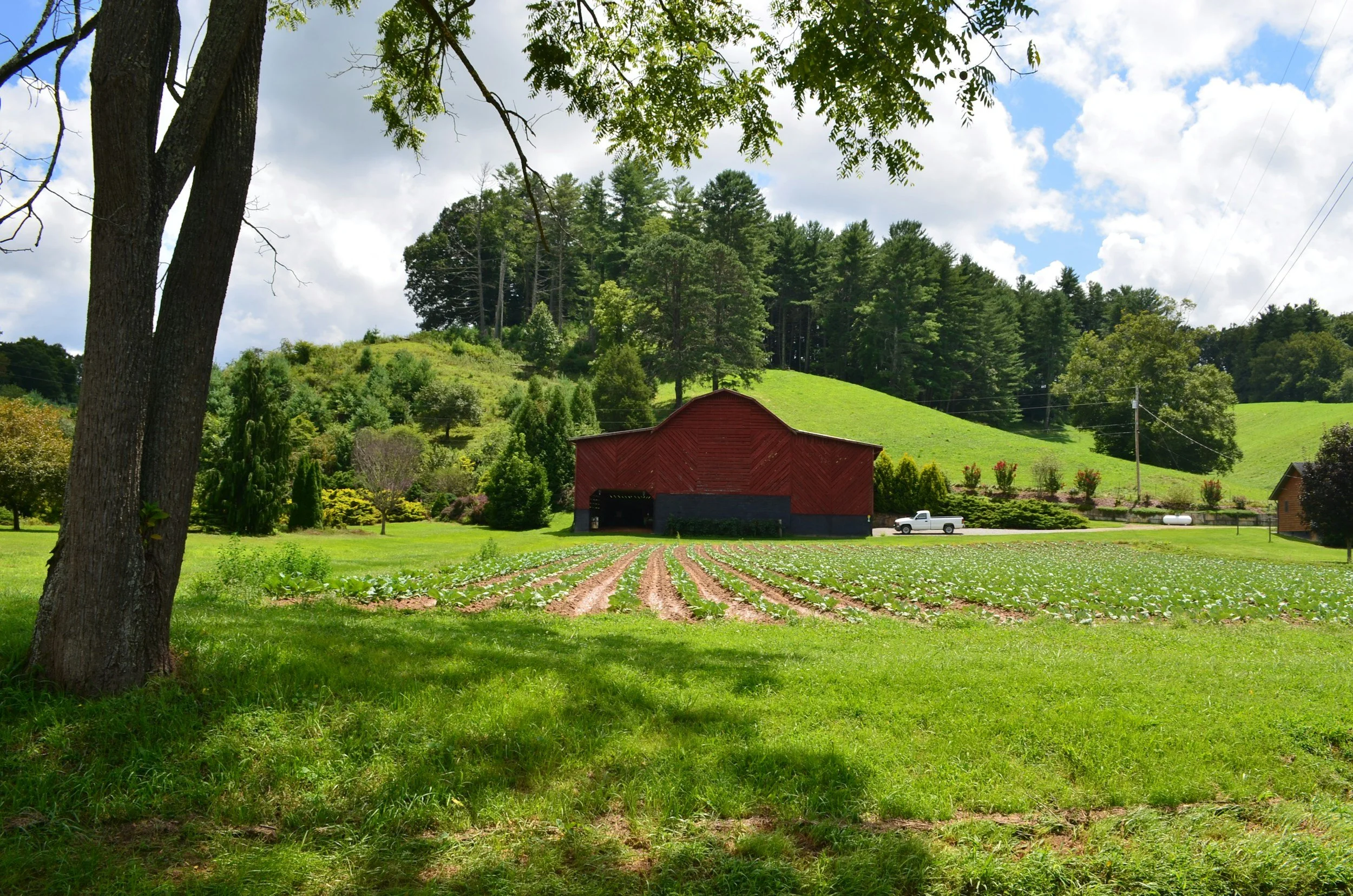
The Complete Guide for Homesteads, Hobby Farms, Vegetable Farms, Ranches & Rural Homes in Oregon
Buying rural property is exciting—wide open space, fresh air, room to grow (literally), and the freedom to create the lifestyle you’ve been dreaming about. But unlike a home on a city lot, rural properties come with unique systems, land features, and long term responsibilities.
Translation? Your due diligence matters a lot.
Whether you're planning a full scale vegetable farm, a hobby homestead with chickens and goats, a horse property, a ranching operation, or you simply want some acreage and privacy, one thing stays the same: getting the right inspections protects your investment and sets you up for success.
As a rural property + farmland focused Oregon REALTOR, here are the inspections I recommend every buyer consider during their inspection period.
Why Rural Property Inspections Matter More Than You Think
Rural properties often operate outside the structure of municipal utilities and city infrastructure. Instead of public water, you’re relying on a private well. Instead of city sewer, you have a septic system. Instead of platted subdivisions with pinned boundaries, your acreage could have older surveys, fence lines that don’t reflect legal lines, or easements you weren’t expecting.
Add barns, shops, pastures, outbuildings, soil health, and agricultural suitability—and there’s a lot more to evaluate than in a standard residential purchase.
The right inspections help you:
Understand the condition of the home and outbuildings
Catch expensive repairs early
Confirm the property will support your intended use (farming, livestock, gardens, events, etc.)
Avoid legal and boundary issues
Protect your financing and future investment
Let’s walk through each inspection and why it matters.
1. Home + Outbuilding Inspection
The foundation of rural due diligence
A standard home inspection is important for any home purchase—but in rural areas, the inspection should always include outbuildings, shops, barns, garages, and any structure you plan to use.
Why it matters
Rural properties often have multiple structures built over time—sometimes by different owners, to different standards, or without permits. Your inspector should check:
Roof condition and age
Electrical panels and wiring (especially in barns where you plan to keep animals)
Foundation stability
Plumbing systems
Heating sources (wood stoves, propane systems, ductless heat pumps)
Drainage around buildings
Pest issues (rodents, carpenter ants, termites)
Structural integrity of barns, loafing sheds, shops, and storage buildings
If you’re planning livestock, farm equipment storage, or using an outbuilding as a workshop or studio, knowing the condition upfront helps you budget accurately and negotiate repairs if needed.
Pro tip
Hire an inspector who regularly inspects rural properties. Someone who only evaluates city homes may not have the experience to evaluate barns, manure areas, metal shops, older wiring, or farm specific features.
2. Well Flow Test & Water Quality Test
Your lifeline on a rural property
If the property is on a private well, this is one of the most important inspections you’ll do.
A Well Flow Test measures how much water the well can produce over a set period (eg. 10 gallons per min).
A Water Quality Test checks for contaminants in the well—both naturally occurring and man made.
What a Well Flow Test tells you
Gallons per minute (GPM)
Whether the well can keep up with household + livestock + irrigation demands
If the pump, pressure tank, and components are functioning correctly
For farms, homesteads, and ranches, water capacity is everything. Low flow may mean installing storage tanks, deepening the well, or drilling a new one. Which can be very expensive.
What a Water Quality Test checks
When you receive your water quality results, they’re typically compared against standards set by the U.S. Environmental Protection Agency (EPA). Your lab report will usually flag results if they exceed EPA Recommended Maximum Contaminant Levels (MCLs) for things like:
Coliform bacteria
E. coli
Nitrates and nitrites
Arsenic
Lead and copper
Iron and manganese
pH levels
Hardness
If any results are outside the recommended range, it does not automatically mean the well is unusable or unsafe long-term — but it does mean you should take action and understand your options.
Common water treatment solutions
Many water issues can be solved with relatively simple and affordable systems:
1. Shock the system
If bacteria are present, a well professional can “shock” the system with a chlorine treatment to disinfect the well, plumbing, and pressure tank. This is often the first step when coliform is detected.
2. Filtration systems
Depending on what shows up in testing, whole-house or point-of-use filtration systems may be installed, including:
Sediment filters
Carbon filters
UV filtration (for bacteria)
Reverse osmosis systems
Water softeners
Iron filters
Arsenic specific treatment systems
The correct system depends on what shows up in testing — not every home needs an expensive setup, and many solutions are very manageable once you understand the problem.
Special considerations
If you’re planning vegetable farming, pay close attention to nitrate and mineral levels.
If you’ll have livestock, you'll want clean, plentiful water year round.
If you're relying on the well for irrigation, ask about additional water rights or if the well historically supports irrigation demands.
3. Full DEQ Septic Tank & Drainfield Inspection
Not just a “pump and look”
In Oregon, septic inspections should be done by a DEQ-licensed professional—not a general inspector and not just a septic pump company doing a surface level check.
A full inspection includes:
Pumping the tank (this part is typically paid by the seller)
Evaluating the tank condition
Checking baffles
Locating and evaluating the drainfield
Soil probing
Inspecting distribution lines
Reviewing maintenance records
Verifying system size matches the home’s bedroom count
Why this is crucial
Replacing a failing septic system is expensive—often $18,000–$45,000+ depending on the system type, location, and soil type.
Drainfields especially can fail due to:
Age (usually a 20ish year lifespan)
Root intrusion
Compaction
Improper maintenance
High groundwater
Clay or poorly draining soils
If you’re planning a homestead or farm, you may also have future buildings, ADUs, event spaces, or guest areas in mind. Knowing septic placement, setbacks, and reserve areas early on helps you avoid costly surprises.
Pro tip
Ask your inspector to mark the septic tank lid, clean-out, and drainfield. These markers are invaluable for future maintenance and planning.
4. Property Boundary Survey
Because fence lines don’t tell the whole story
One of the most overlooked—but key—rural inspections is a boundary survey.
What a survey does
Confirms property lines
Identifies encroachments
Locates easements or access roads
Verifies acreage
Ensures barns, fences, and structures are actually on your land
Helps you plan new infrastructure (greenhouses, barns, driveways, gardens)
This is especially important if:
The property has shared driveways
There are neighboring barns or fences near your perceived line
You’re planning livestock
You want to build additional structures
You’re purchasing large acreage with unclear markers
Large rural parcels often have older, incomplete, or inaccurate surveys. Fence lines drift over time. Neighbors occasionally build in the wrong place without realizing it. A survey resolves all of that now instead of ten years down the road during a dispute.
Pro tip
Ask the surveyor to mark corners and add visible stakes—helpful for planning pastures, gardens, or future construction.
5. Soil Testing
Essential for farming and homesteading
If you plan to garden, farm, pasture animals, or even build new structures, understanding your soil health matters.
Two types of soil tests are worth considering:
1. Agricultural soil testing (nutrients + structure)
This evaluates:
pH
Organic matter
Nitrogen, phosphorus, potassium
Micronutrient levels
Soil texture (clay, loam, sand)
Drainage characteristics
Compaction
These tests help you understand:
Whether the soil best supports vegetables, fruit trees, or pasture
What amendments you’ll need
If drainage improvements are necessary
Whether certain crops will thrive
2. Soil suitability testing for infrastructure
Some soils are prone to:
Poor drainage
Seasonal saturation
High water tables
Erosion
Instability
If you plan to add a barn, greenhouse, driveway, or housing unit, this information is critical for long term durability.
Pro tip
Earthfort is a small local soil testing company out of Corvallis, OR that focuses on biological soil testing and education. The folks over there have helped countless farmers and ranchers understand how their soil biology can (and should be) functioning to ensure their healthiest and most profitable land possible. Check them out!
Bonus Considerations for Rural Buyers
Depending on your plans and the property’s features, you may also want to include these additional due diligence items:
• Water rights verification
If irrigation is present or advertised, confirm it with Oregon Water Resources Department (OWRD) records and the irrigation district that it’s in—do not just take the seller's word. They may be able to prove it was once active, but water rights can expire or be revoked if not they haven’t been put to beneficial use in the last 5 years. Always double check they are still active!
• Outbuilding permit verification
Some structures were built without permits and may need upgrades or disclosures. The local county office should have all construction permits on file. If you do discover an unpermitted building or feature on the property, make sure the seller addresses it (remove or have it retroactively permitted) before you close or else you it will become your responsibility.
• Timber assessment
If your land has harvestable timber, a forester can help evaluate its value or health. Timber can be a long game investment but something that can add significant value down the line.
• Floodplain and drainage review
Especially important near rivers, creeks, and low-lying areas. Floodplains can impact your ability to obtain home insurance and/or permits for events in the future. It’s a good to know sooner rather than later item for sure!
How These Inspections Protect Your Future Plans
Different buyers have different visions—and inspections help ensure the land can support them:
Homesteaders
✔ Safe water
✔ Good soil for gardens
✔ Operational septic system
✔ Outbuildings ready for animals and storage
Hobby farmers
✔ Soil structure + nutrient profile
✔ Reliable water from the well
✔ Solid barns and fencing
✔ Clear property boundaries
Vegetable farmers
✔ Comprehensive soil testing
✔ Water reliability
✔ Access, drainage, and future infrastructure planning
Ranchers & livestock owners
✔ Structural integrity of barns + shelters
✔ Water availability
✔ Drainfield placement (important for grazing management)
✔ Boundary accuracy for fencing
Anyone wanting acreage
✔ Peace of mind
✔ Knowledge of land features
✔ Reduced future maintenance surprises
✔ Clear legal boundaries
Final Thoughts: Rural Properties Reward the Well-Prepared
Buying rural property is deeply rewarding—and inspections are your roadmap to understanding the land, the systems, and the long-term maintenance involved. When you take the time to do thorough due diligence, you’re not just protecting your investment—you’re setting the stage for a thriving, healthy, joyful future on your land.
If you’re dreaming of a homestead, hobby farm, vegetable operation, ranch, or simply a quiet rural home with some space to breathe, I’d love to help you navigate the process with confidence.
You bring the vision—I’ll help you protect it.
Head over to my contact page or click on “Get Started” in the top right corner of the page to connect!